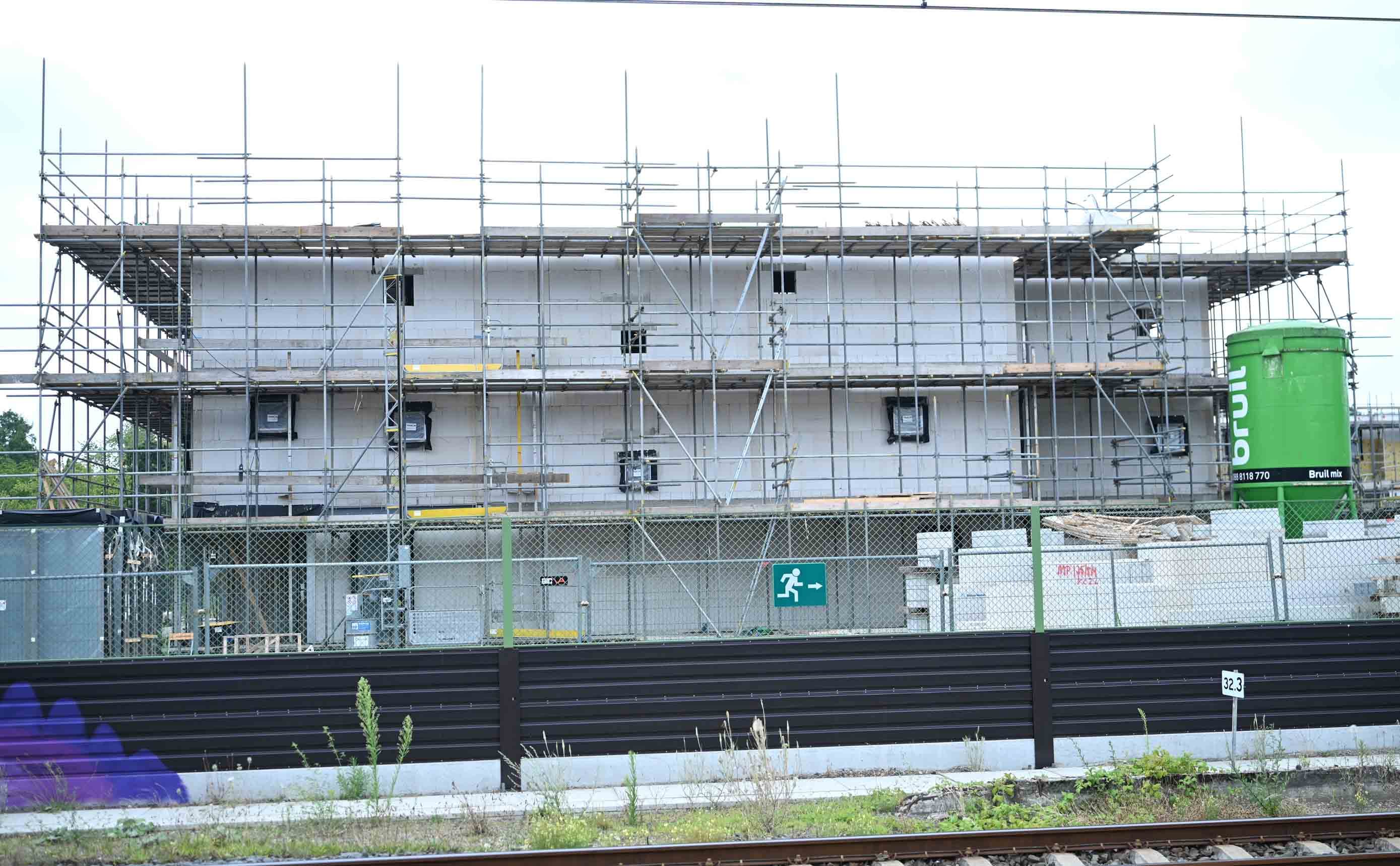
The building is nearly done, and the quality assurance file is in five places at once. Some of it is a spreadsheet on the site laptop. Some of it is photos on a phone. The certificates are in email, the checklists are on paper in the site hut, and two weeks before gereedmelding somebody has to turn all of that into one dossier the bevoegd gezag will accept. That evening, in the site hut, is where most quality assurance still gets built. It should not be.
Since 1 January 2024, buildings in gevolgklasse 1, roughly single-family homes and smaller commercial work, fall under the Wet kwaliteitsborging voor het bouwen. The proof of quality moved from a design the municipality pre-checked to evidence an independent kwaliteitsborger gathers while the work is built. That is a good change. It also quietly assumes you can produce the evidence, in order, at the end. Most site offices still cannot, because the record is scattered the whole way through.
The record that lives in five places
Ask an uitvoerder where the quality file is, and the honest answer is a list. Keuringslijsten in a spreadsheet. Site photos in a chat group. Certificates from the onderaannemer in an inbox. A borgingsplan in a folder on a shared drive. None of it is wrong, and none of it is together. Every one of those places is a separate memory of the same building, and only the person who put it there knows what it holds.
That works right up until gereedmelding. The dossier bevoegd gezag is not the design file. It is the as-built record: proof that what actually stands there meets the Bbl. If it is short one report, the bevoegd gezag says so, and the building cannot be used. Assembling that from five scattered sources, under a deadline, with the client already holding the keys, is where the good work of a whole project gets undone by admin.
What a live dossier actually means
The alternative is not a tidier folder. It is a file that assembles itself as the work happens, so there is nothing to reconstruct at the end.
A finding is captured on site and pinned to the element it concerns, on the model, with the photo and the severity attached to it. A certificate is filed once and carries its own expiry, so an expired one is visible long before it reaches the dossier. The dossier checklist, built from a template for the building type and gevolgklasse, shows one completeness percentage, so you always know what is still missing instead of guessing. The borgingsplan and the full dossier package come out as clean PDFs when you need them. The deadlines for bouwmelding and gereedmelding are dates the system watches, not ones you keep in your head.
None of that is extra work bolted onto the job. It is the same recording you already do, done once, in a place where it stays found.
Paper does not hold up for ten years
There is a longer reason to get this off paper. Under the Wkb the aannemer carries responsibility for the delivered work for years after handover. A defect that surfaces later is argued on the record you kept. A shoebox of undated photos and a spreadsheet nobody can search is a weak place to argue from. A finding tied to a specific element, with a timestamped photo and a resolution history, is a strong one.
The dossier is not paperwork you produce at the end. It is the proof you were building the whole time, in a form that still holds up when someone asks.
Where the Netherlands sits in Europe
A wider direction, honestly framed
The paper record of a building is on its way out across Europe, not just here. The EU's new Construction Products Regulation introduces a digital product passport for construction products, so a machine-readable record follows the product itself. The direction of travel is a building whose data can be read by a tool, not only by the person who filed it. BimDossier is built for Dutch Wkb work today. It does not check another country's building code, and it does not issue a product passport. What it does is keep the Dutch dossier honest and digital as you build.
Where we come in
BimDossier is not an approved Wkb instrument and does not replace the kwaliteitsborger. The judgement, and the declaration, stay theirs. What the software does is quiet and boring on purpose: it does the tracking so nobody has to remember a date, and it keeps the evidence in one searchable place instead of five. The findings sit on the element, the certificates watch their own expiry, and the dossier checklist knows what is still missing, from bouwmelding to gereedmelding. The record is digital from the first day, so filing day is just another day. And all of it sits on your model.